Furniture
Let Two Different Bedside Tables Solve Two Different Nights
Pick mismatched bedside furniture around reading, storage, reachable surfaces and visual balance rather than matching the two pieces exactly.
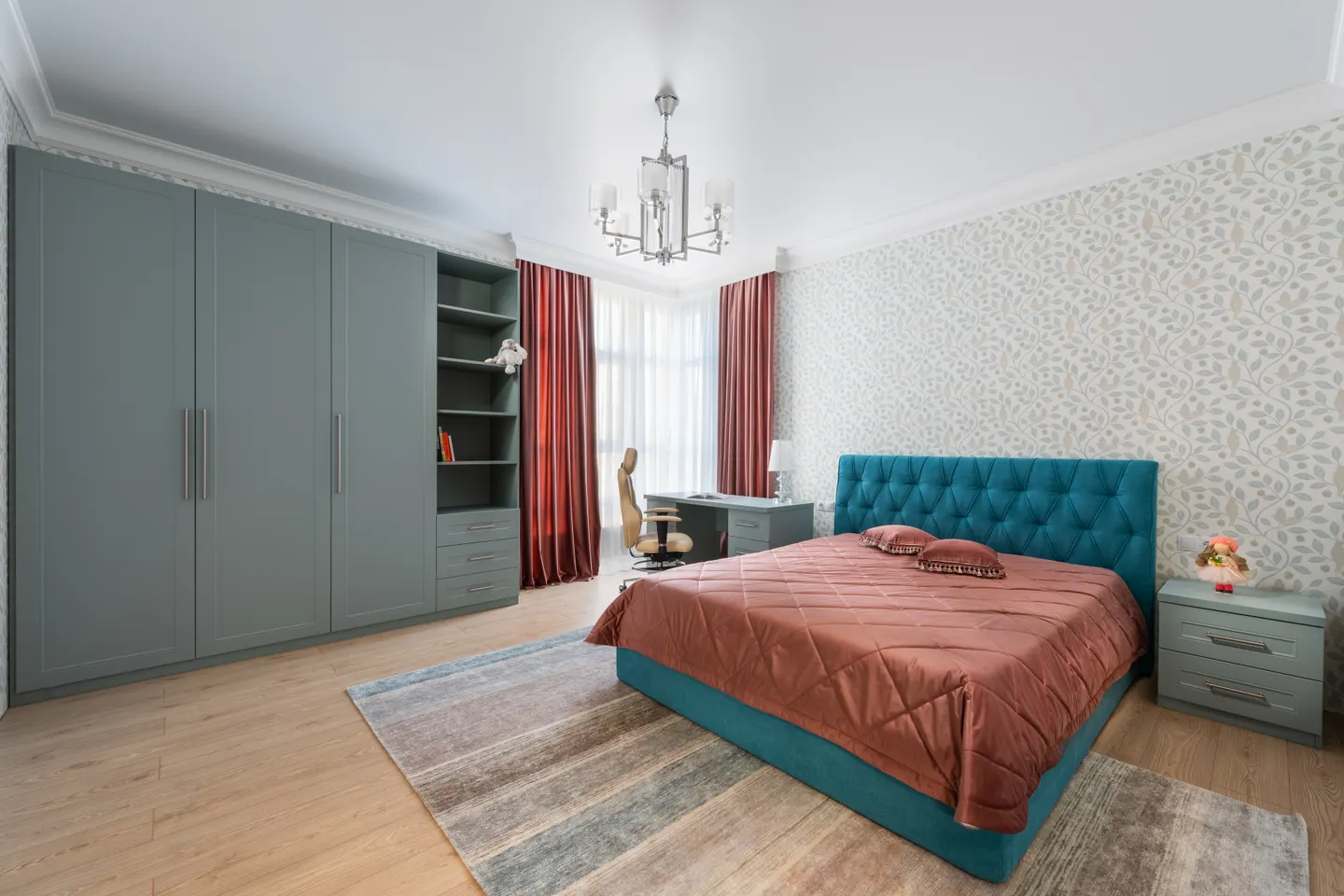
On one side of the bed, a tall stack of paperbacks keeps a glass from reaching the table. On the other, a charge cable disappears down the side the moment somebody unplugs a phone. Two identical tables can make the bedroom look settled while giving both residents one item too many and one storage place too few. Plan the two sides by asking what has to happen with the light off and a single hand free.
A room with two pieces that do different jobs can still have a clear relationship across the headboard. Use height, surface direction and light to help the pieces answer one another. Let the exact drawer form, finish materials and width respond to the needs on each side.
Collect what stays overnight
Empty the tables onto a larger surface and sort their contents by what actually happens between going to bed and getting up. A book, reading glasses, a covered drink and a light switch have plausible jobs in the quickest category. Several additional books or spare charging cables might belong in a drawer. Move long-unused objects to make room for the things a person reaches every night. Keep medication, personal items and electrical things stored and used appropriately for the household, particularly around children or pets.
On a piece of paper, place the actual items on a marked-out tabletop. Set them down without looking, as you might do in the dark. See what happens when the person at the other side wants to find something at the same time. Try the ordinary glass and phone, including whatever cable normally extends from the latter. If a surface is so shallow that any one action can dislodge a second item, change the table organization before trying to move the bed.
A personal routine can need a bit of privacy. A closed compartment may suit objects a resident wants to put away, while a book used every night may be better on an open shelf. Keep the lowest shelf high enough to clean and easily reached from the positions where it will be used. Test each compartment with the thing it is meant to contain. Drawers should open at the actual distance between table and bed.
Reach to the edges from the mattress you use
Measure the current mattress height at the edge someone sits on. Take account of the covering and its normal compression. Hold a stable surface at the proposed table height, or use a piece of furniture you already have. Try reaching from seated and lying positions with an empty cup. The difference between a few inches above and below can change how you put things down. A high sharp corner can sit uncomfortably close to the head even if the overall piece looks impressive in a rough elevation.
Look at how the headboard and bed frame affect the approach. A frame with a broad side ledge can move the table's near edge farther away. A headboard that wraps around might make a short table nearly disappear behind it. On a very low bed, a tall furniture leg can be visible from more positions in the room. Keep enough distance to make the bed easily and enough accessible area to touch what is used. One side may benefit from a projecting surface where the other has room for a table set farther back.
If two people use the room, check both together. The easier side may be closer to a long blank wall. The other may sit beside the closet and a window that must open. Try the same reach on both pieces and draw the space outside them. A room with one constrained area can benefit from changing the width or cabinet opening on that side, even if the top surfaces share a similar height.
Choose one direct visual relationship
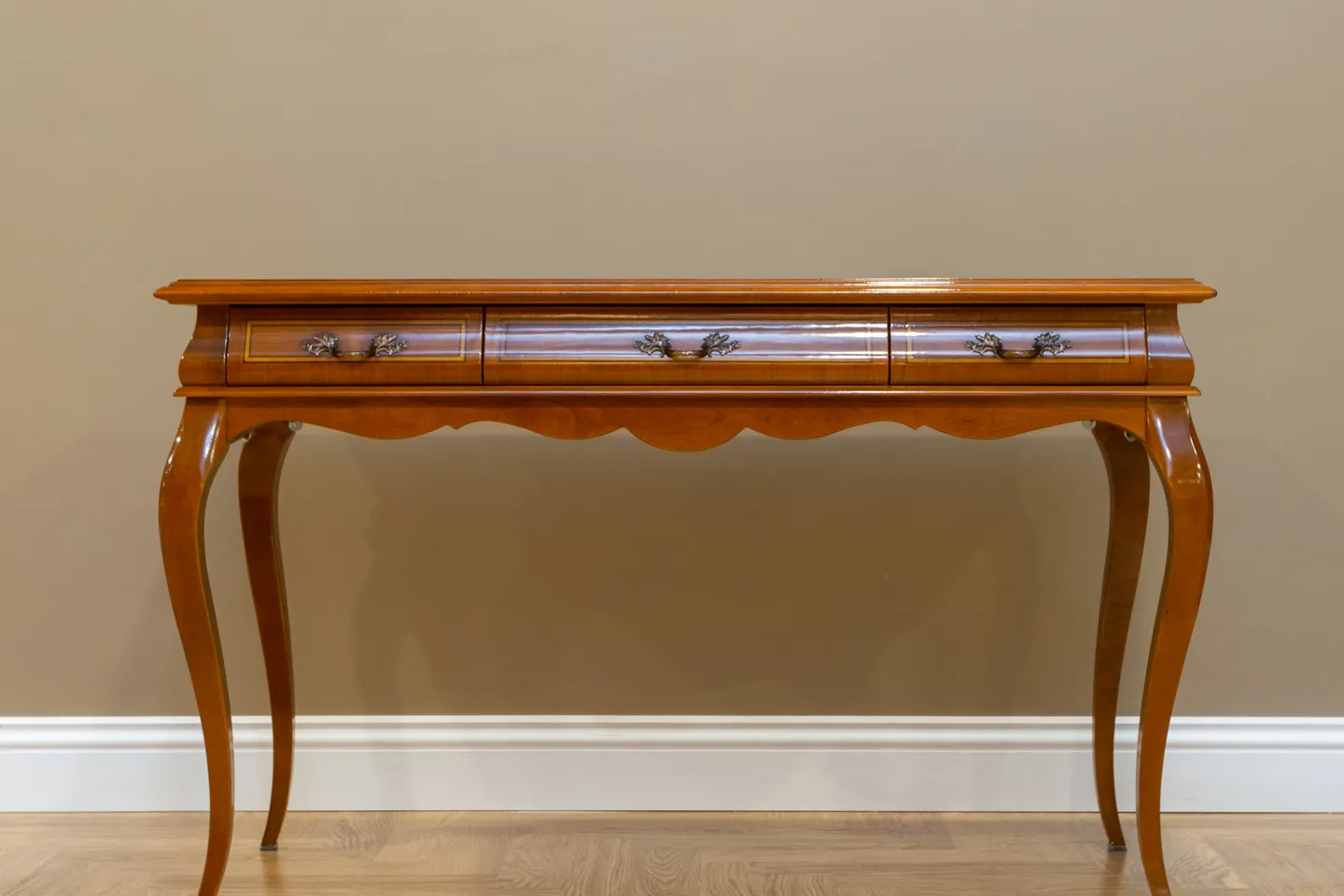
Two nearby heights can give different tables a common line, with the difference small enough that they support the same view. Another option is to use the same or related shades of wood while the pieces have different shapes. Let each table reflect something already in the room. A walnut piece can pick up a dresser well away from the bed. A pale painted table can relate to the curtains that sit behind it. Each material connects to a finish already doing useful work elsewhere in the room.
Look at the furniture's whole volume, including the top, supports and fronts. A deep closed table with a full plinth can look heavier than a wider piece on legs. An open table next to dark curtains may disappear into the shadows. Try each end of the bed with cardboard at the intended width and height. Then outline the visible legs or plinth. Use the appearance from both the doorway and a seated position to decide whether the contrast is helpful or a distraction.
If one table is visually strong, use a simpler lamp or fewer objects on it. The quieter table can support a larger shade or a single firm vertical line. Check the view after sunset, when illuminated parts of the composition have more emphasis than cabinetry details. If one side seems to take up a great deal of the wall, lowering a lampshade or shifting a textile may be enough to make the two sides feel connected.
Work out the cables before choosing the lamps
Examine outlet and switch locations. Find out where a lead can pass safely without crossing a path, being pinched or sitting in the way of drawer operation. Follow all equipment instructions and avoid placing charging devices or cords where they will be covered by bedding or otherwise used unsafely. See whether a built-in opening or suitable cable organizer can help keep the usable end within reach. Check from the side of the bed before allowing the new cabinet to block an existing socket.
If only one person regularly reads in bed, test two objects of different purpose. One lamp can direct light to a book. A second can provide a modest light for the path to the door. Check their brightness and controls in the positions the people in the room will use. Aim the reading light so that it gives the needed coverage without disturbing someone on the opposite pillow. Let both people get up and return in the lowest light they would ordinarily use.
Try a suitable wall-mounted fixture or shelf where floor area is truly scarce. Appropriate installation will depend on the wall and the equipment. Ask a qualified person when wiring or uncertain fixings are involved and check lease or building requirements where applicable. A shallow free-standing table can also provide the working reach if a lamp takes a position farther away. Consider its stability with the intended objects in place. Bring the proposed arrangement to the scale of the person using it before choosing finishes.
Play out two room layouts
In a narrow room, one person may have the window wall and the other a roomy aisle. A simple shallow shelf at one side and a modest closed nightstand on the other could suit the floor plan. Check that the shelf has appropriate support and cannot interfere with the window or with movement. Move a lamp onto one of the two surfaces during the trial and see whether both occupants can work the required light. A drawer near the larger aisle can store spare things both residents reach after they get up.
In a broad room with two old tables at almost the same height, one may take up more wall because of its wider legs. Fit it on the side farthest from the door if it leaves the entrance view open and preserves routes. Put the slimmer table where an extra few centimeters can free the turn around the bed. Test changing side assignments by using a temporary model. A table with individual character is easier to appreciate if a person can walk around it comfortably and still reach what is on it.
In a guest bedroom, leave one surface easily understood by someone seeing it for the first time. Put an unobstructed lamp control and a small bare area in each reachable position. Shut any cupboards that need to stay personal, and move extra items to a known home. A new visitor will use the layout as it appears instead of remembering what the owner intended.
Check what happens while changing the sheets
Open both drawers, close the closet and pull a basket into the room. Make the bed from both sides. Any arrangement that requires moving an everyday bedside table to reach the mattress deserves another trial. See how the smallest items remain in place if the outer layer of bedding brushes a table. Address cleaning under and beside both pieces, especially if a dusty corner has already been hard to reach.
When the furniture is in place, use it for several nights before adding embellishments. Put one more thing away if you continue to reach past it for a glass. Try switching the two lamps if the reading corner sits in shadow. Take the visual difference between the pieces as a reason to tune each placing separately. Once people are able to find their things, switch off the lights and get up without taking a longer path, the bedside arrangement has found the balance that a matched pair would only have suggested.