Materials
Limewash or Matte Paint? Ask What the Wall Has to Do
Compare mineral limewash with matte interior paint by assessing the substrate, the amount of tonal movement, maintenance and the full coating system.

A matte wall may look almost unbroken in the morning. Another wall of much the same color shows pale and dark patches as the sun reaches it. Both can be described as flat, but they deliver different experiences. A mineral limewash draws attention to the way it was applied and the surface beneath it. A conventional matte paint often gives furnishings and trim a more consistent background. Start with the actual wall and how people use the room.
Limewash and matte describe different properties. Traditional limewash is a coating based on slaked lime. Matte describes the amount of light a finish reflects and can apply to different paint formulations. Manufacturers also sell decorative mineral coatings or other finishes intended to produce a limewash-like appearance. The right comparison begins with two named products, their approved surfaces and the visual effect they produce in a representative test.
Identify the surface underneath the color
Look up the wall construction before selecting the supplier or color. Unsealed absorbent masonry, existing lime plaster, new gypsum board and a sound wall painted with several coats of conventional paint may accept different systems. An older wall can have more than one surface where openings have been patched. Look around sockets, old marks and later trim work for clues, and confirm conditions with a suitable professional where the history is uncertain.
Ask how the intended product bonds and what level of absorbency or preparation it needs. Romabio’s Classico Limewash information identifies unsealed, absorbent masonry among uses for its slaked-lime product and provides separate guidance for other conditions. Bauwerk’s guide for existing paint explains how preparation can provide absorption for its own limewash on appropriate previously painted surfaces. The full specifications differ. Follow the instructions for the product, location and substrate you intend to use.
Look for dusting paint, contamination, patches and an issue at the base of the wall. Ask the relevant trades to determine the condition and specify repairs before coating. If there are signs of ongoing moisture, establish its cause. Performance claims about permeability apply to specific coating and wall assemblies. A breathable product can be unsuitable if the layers underneath or the room conditions are outside its instructions. The complete surface should fit the building as well as the chosen effect.
With a conventional matte paint, obtain the same information about permitted substrates, repairs, primers and the service use of the room. A product that works on drywall in a living room can have a different recommendation for an existing masonry surface. Clarify what is already on the wall and whether the coating system is sold for those conditions. Talk to the supplier about any unusual historic material before introducing a new layer.
Make a sample that shows the whole application
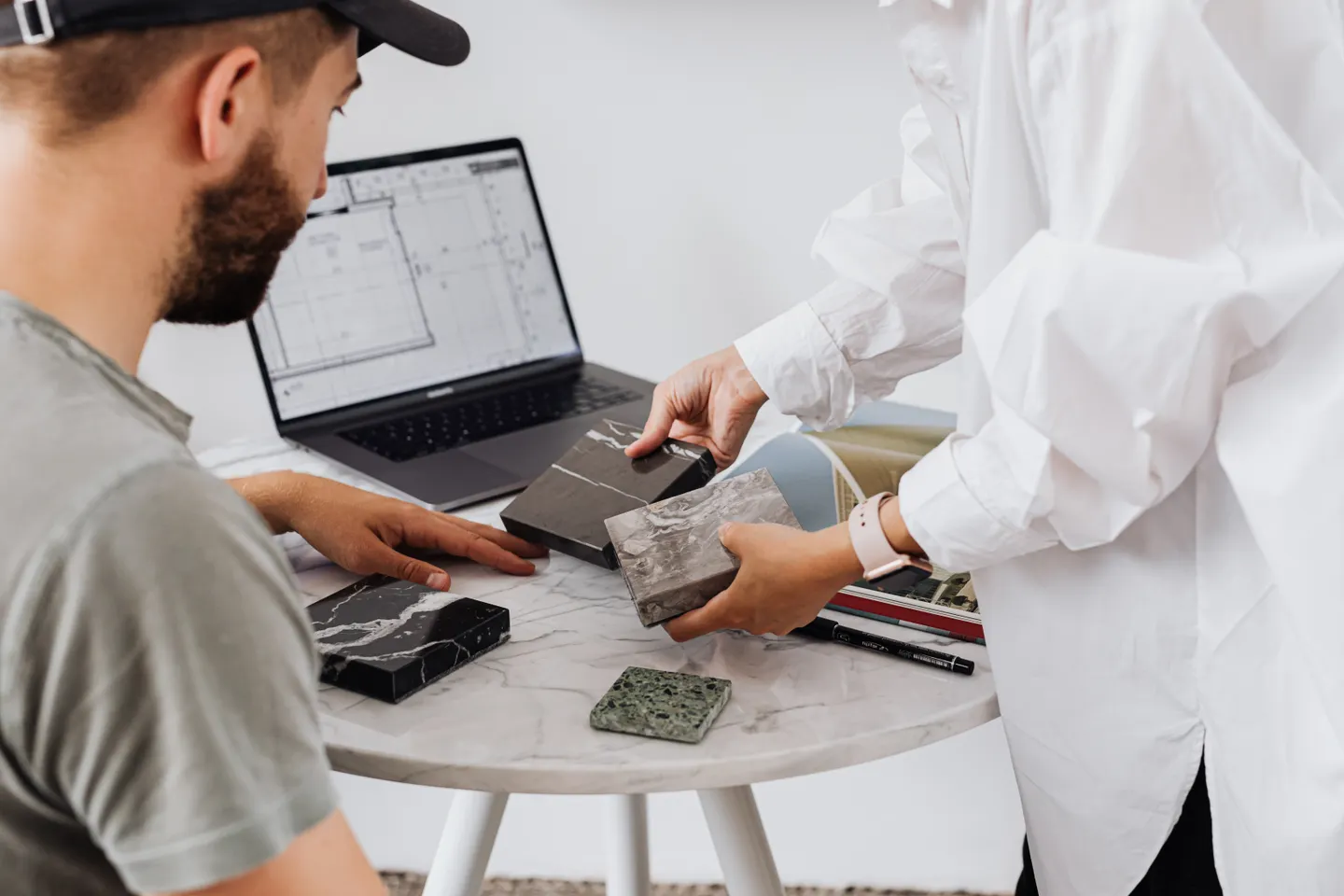
Ask for a sample method and size that can reproduce the proposed substrate and prep system. A color card is useful for screening, and a larger applied test shows whether the final surface will read as a set of loose brush movements or a single quiet color. Test the real primer and the complete number of coats. For mineral limewash, arrange for the agreed brushwork and dilution if the product calls for it. Keep that information with the sample photograph.
Look at suspected patch areas as well as clear sections. Differences in absorbency can show through a decorative finish if the proper preparation has been missed. Confirm how the installer will unify patches, edges or substrate changes under the specified system. Settle how the wall will meet the next one, especially near a door or on a chimney breast. On a large wall, see where one day's work would stop and what the product guide says about keeping a continuous appearance.
Place the board vertically where side light falls across it. View it from the entrance, the normal working position and directly beside the surface. Use daylight and evening light. A wall that looks busy beside a lamp may appear much calmer in diffuse daylight. A lighter patch can stand out where the window throws a narrow band of sunlight. Evaluate the dry result at the stage the supplier specifies. Some wet limewash is much darker or less opaque than the dry finish.
Compare the same color direction in a suitable matte paint. It may look more dependable in an open room that already has busy textures, or it may seem unexpectedly still beside pale brick and plain textiles. The applications can also differ in edge texture. Try an intended lamp or picture at the expected location on the mock-up. Check what appears near its outline and whether the wall will still carry the details you already like.
Ask who touches the wall and when it gets cleaned
Trace the contact points before placing one finish across the whole room. A dining wall may be touched by chair backs each evening. A living room reaches a quieter condition above the height of the sofa. A narrow entry shares space with damp coats, grocery bags and repeated contact. Compare the particular finishes with the conditions where they will receive the most ordinary wear.
Ask about approved cleaning after the specified cure time. Some matte products are formulated to release certain marks with gentle cleaning. Other matte films can change sheen during rubbing. Limewash care varies with the product, substrate and any compatible protective component. Certain finishes call for a refresher coat. Some systems offer a compatible sealer for particular uses. Test a complete sample with that sealer if it is part of the plan. Adding protection may affect the appearance, the ability to retouch the surface or other performance characteristics.
Discuss what can happen when a patch of finish is repaired. A new patch in a strongly varied surface may stand out until adjacent work has been redone as directed. A small matte touch-up can also read differently from the original plane if the method, sheen or aging differs. Seek written instructions and ask whether a repair should proceed to a natural edge. An accessible junction, door reveal or alcove can be a sensible boundary for making a future repair easier to blend.
For a test that means something, use a duplicate piece or approved sample area and the cleaning method the maker allows. Compare the appearance from the same position before and after drying. If a product requires gentle treatment and routine cleanup in the proposed room is more demanding, move the finish to a quieter wall. The color can still contribute to the room where it fits the actual use.
Read the product and safety documents as part of the design
Get the technical data sheet and safety data sheet for each component, including primer and any topcoat. Lime-containing wet coatings can be alkaline and require appropriate protections for skin and eyes. Follow the documentation for handling, application, ventilation, cleanup and disposal. Clear the work area and plan when other residents and pets can return according to applicable directions. Where height or multiple trades are involved, arrange safe access and coordinate timing in advance.
Unknown old paint or finishes can have their own hazards when disturbed. Get local advice and have suitable professionals deal with uncertain conditions as needed. The U.S. EPA lead-safe renovation guide describes risks and responsibilities associated with relevant older housing in the United States. Find the rules and precautions applicable to your building and location. A smooth sample made in a workshop cannot assess the condition of an existing wall in a home.
Confirm the application sequence with the team. For a decorative limewash, that may affect when nearby trim and other surfaces are completed and protected. A painted surface can have special restrictions on tape or early contact. Ask how long the room needs to remain clear at each step and when furniture can be brought back. Agree on what preparation is included in the quote and what needs to happen if inspection finds a hidden repair or changing surface farther along the wall.
Put two sample rooms to the test
Consider a sitting room with one masonry chimney breast, patched drywall elsewhere and two west-facing windows. Test the masonry and the proposed preparation with the chosen mineral finish to see how the afternoon light reads. Check that the relevant surfaces and conditions are approved and that fireplaces or heating equipment receive any separately required clearances and treatment. If tonal variation brings out the shape of the chimney breast, a reliable matte finish on the surrounding drywall can leave room for the main surface to remain visible from several directions.
Now consider a stair and entry that collect handprints and muddy marks through winter. Let everyday cleaning lead that comparison. Test suitable systems near the real light and check the working dimensions of a handrail or coat rack. If the wall must withstand frequent wiping, products designed for that cleaning regime deserve an early sample. A textured finish may still suit a nearby landing with less handling. Bring the two surface samples together so moving from one to the next has a deliberate visual purpose.
Write the accepted conditions on the quotation before ordering. Keep the substrate assessment, primer and coating codes, preparation, sample and cleaning guidance in one place. Photograph the finished sample under the usual lights. A sound decision can be explained from the doorway with an ordinary sentence about what the wall will look like and what it needs to tolerate. The rest of the work belongs on the record of products and conditions required to make it possible.