Small Spaces
Fit a Dining Nook Into a Rental Without Building It In
Plan a rental-friendly nook with moveable seating, a table you can walk past and lighting that leaves the room useful between meals.
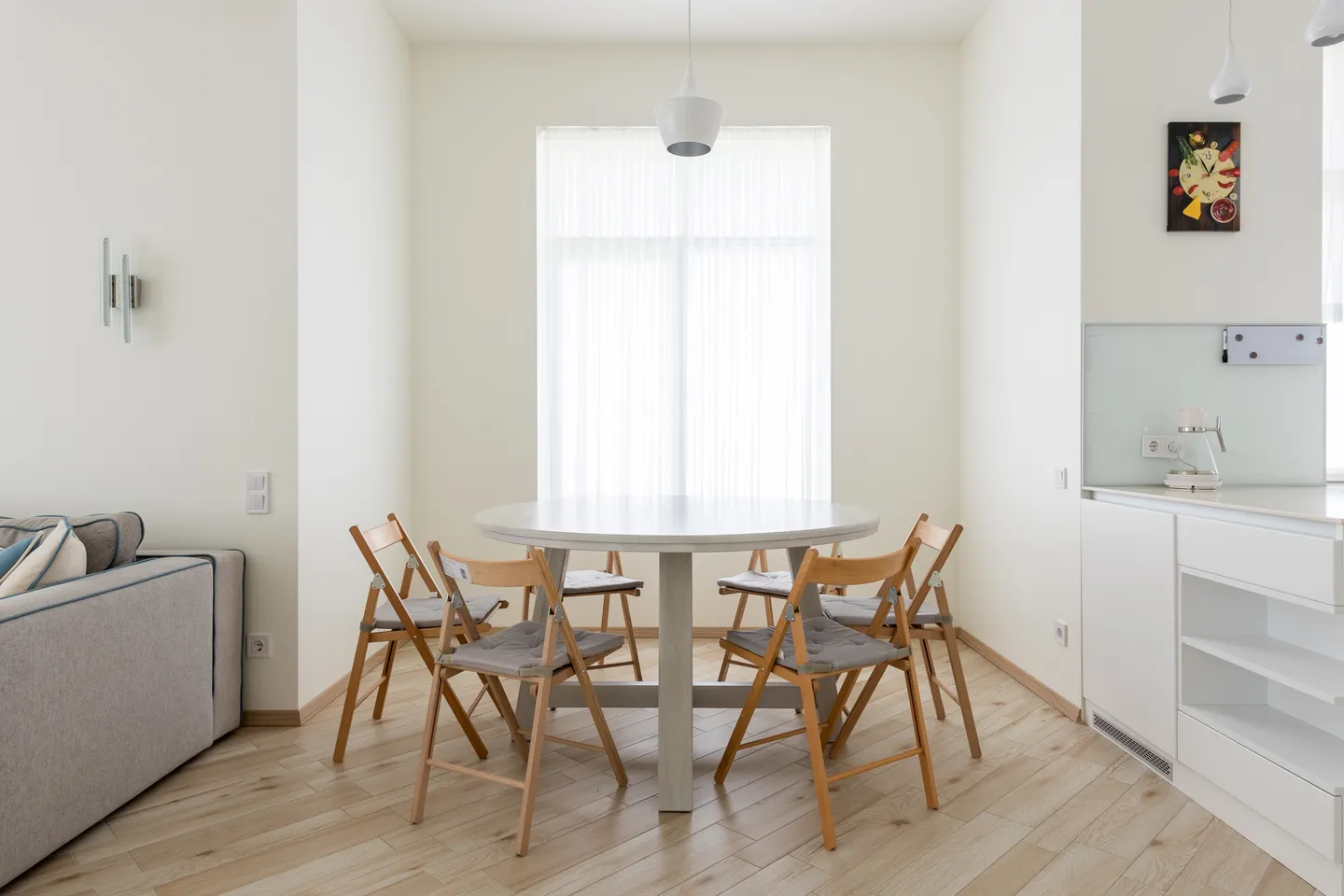
When you eat at the corner of the kitchen counter, there is rarely somewhere to set the plate while you pull out a seat. A tiny dining nook can fix that if it makes the transition from cooking to sitting easier. Putting a table into spare floor area is the easy part. Keeping the route to the refrigerator available, making four legs fit around four other legs and preserving a reasonable spot for a guest are the decisions that make the difference.
A rental puts boundaries around the work. Furniture and independent lighting are often the right scale of intervention. Consult the lease and the owner before fitting hardware or changing fixtures, and review the actual room before assuming any particular attachment will be accepted. Begin with a trial made up entirely from objects you can take away again.
Choose a corner from the route a plate takes
Make a cup of tea and carry it to each spot where a table might fit. Trace the same trip with a plate in both hands. Look around for where a chair would let you put the plate down without reaching past a doorway. If a path goes through the proposed eating area, draw its full width first. Open the nearest door, dishwasher or large cabinet and consider when it will be used alongside the table. A table that interrupts storage for a few seconds at breakfast may interrupt every step of preparing a bigger meal.
Daylight is a good reason to use a corner near a window. Check whether the place is unusually cold or sunny at the hours you plan to sit there. Look for radiator and window fittings that need clearance and access. In a compact apartment, the end of a living room can make a useful dining spot when the kitchen is narrow. A tray can make the longer journey easier, while keeping the area around the oven free for somebody still cooking.
Try setting something small where the table’s center would be and look from the entrance. One round table can let the eye continue to the far part of the room. In a long apartment the squarer outline of a narrow table can sit quietly along a wall. Whether the shape actually works will depend on where people sit and how they get to their chairs.
Test the layout with a meal's worth of dishes
Measure the plates and bowls used for a normal meal. Lay them in the intended arrangement on a table you already own. Add a water bottle and a dish someone needs to serve from. If the new nook will support two people most days, check whether they can sit opposite each other at the width you intend to buy. Two placemats with no cups in position offer a misleading impression. Test the real height with the chairs or stools you plan to keep.
For a small round table, take account of the base. A center pedestal may prevent interference with chair legs, but its foot can take up space that matters to the person sitting there. With a trestle, the support can occupy the spot where legs would otherwise go. Take a picture from underneath the showroom table and compare it with how your expected chairs fit. Ask about weight capacity, stability and how the table should be assembled.
Calculate the tabletop for ordinary use with the smaller number of seats. Put a foldout leaf or pull-out extension on the diagram only after checking space for standing and access. Some expansion arrangements work if the entire table comes away from the wall. Some rely on a central leg that shifts or a support that needs room to swing. Confirm where unrelated furniture goes during the expanded meal. If the table will expand only twice a year, extra seating elsewhere may make more sense.
Let one seat be easy to move, and one easy to live with
A bench along a blank wall can give the dining area a place to stop visually. See how a seated person gets to the far end after the table is in position. They may have to move the table or ask a second person to get up each time. In a nook with an exit on one side, a pair of individual chairs can give more control over those movements. If you choose a bench, check its available seating length and the relationship between the front of the seat and the edge of the table.
Stools that tuck under a table take up very little space between meals. Test a complete meal on one. A backrest matters for some diners, and foot support can matter on a higher seat. Curved chair fronts can also make good use of a narrow entrance when the table is round. Measure the widest parts, including arms, after adjusting for intended upholstery or pads. A chair can fit under the edge and still be too wide to pull past a support.
Bring guests into the plan without reserving large permanent volumes for them. A sturdy dining chair can work at a desk on ordinary days. Folding guest chairs may fit where a box used to stand. Check that their storage is safe and accessible and that the hardware locks as it should before anyone sits. Leave one seat that is easy to enter if a regular visitor has less mobility than the household. Plan a generous approach for that chair even when more than two places are set.
Make the nook visible without rewiring the room
A plug-in or rechargeable lamp can make the table look like a destination. Try the fixture with somebody sitting on each side. It should light food and hands without putting glare in the other person’s eyes. Check manufacturers’ instructions for fixtures and compatible shades. If a lead is needed, work backward from an actual outlet and avoid a route that crosses a path, sits where chairs can catch it or runs under a rug. A nearby table or secure shelf may give the light a better place than the floor beside a frequently moved chair.
Preserve table space for plates and papers by comparing light positions beside the eating area. A shaded fixture on a narrow serving cabinet, placed beside the seating corner, may do the job on both occasions. Use a candle only if it can be used safely under the property’s rules and appropriate conditions. For everyday light, something that switches on with one hand at the same time every evening is easier to use.
Keep the floor simple where chair legs slide. A rug should have room for the actual seat movement if you choose one. A smaller rug near the dining zone can be visually appealing while catching chair legs each time somebody stands. Set a towel or paper down to represent the outer edge during the trial. If it ends in the wrong place, try bare floor with the correct protective glides on the chairs. Follow the flooring and furniture instructions and check that the protective material is suitable.
Lower the visual clutter between meals
Walk in from outside after the trial has been in place for a day. Table leaves, seat cushions and a collection of small objects can make the corner look busy despite its modest size. Clear the table and tuck the chairs in. See which things you can store within reach without leaving them permanently on display.
Take a photo from the kitchen with each chair pushed in naturally. If the outline of a tall back covers the view into the next room, compare with a shorter back in one position. Varying two chairs may suit the small corner if both seats still work at the table and one can travel to another room.
Put away just enough for the next use
Nooks in rentals frequently do a second job as a work desk. Give work papers a single nearby box, shelf or tray, and add a similarly convenient place for table items. Test clearing each job in under a minute with a drink on the table. Where a laptop cord usually reaches across a knee, put the working seat on the other side or move it nearer the outlet. The changeover becomes easier once each use has a place for its loose objects.
A shallow cart can hold placemats and mugs and move to the kitchen for a larger dinner. Try it with a load and confirm the intended floor and equipment arrangement. A small wall cabinet already provided by the owner might have room for the same things without another piece of furniture. A basket for table linens can take up less room inside a cupboard than a formal place setting takes on the table. Keeping it near the plates can make it easier to clear the top for other tasks.
Eat dinner in the mock-up twice before buying. Pull out the second chair, put both plates down and walk back to the sink with a bowl. Make one modest change that helps the awkward step. After you have room to sit comfortably and leave while somebody else is eating, choose a material and shape that you would like to move with you. An independent nook is complete when you can reset it alone and it makes the rest of the apartment easier to use.