Small Spaces
Place a Mirror Where a Tiny Entry Can Use It
Fit a mirror into a narrow entry by testing the reflection, viewing distance and position of fixtures before choosing the frame.
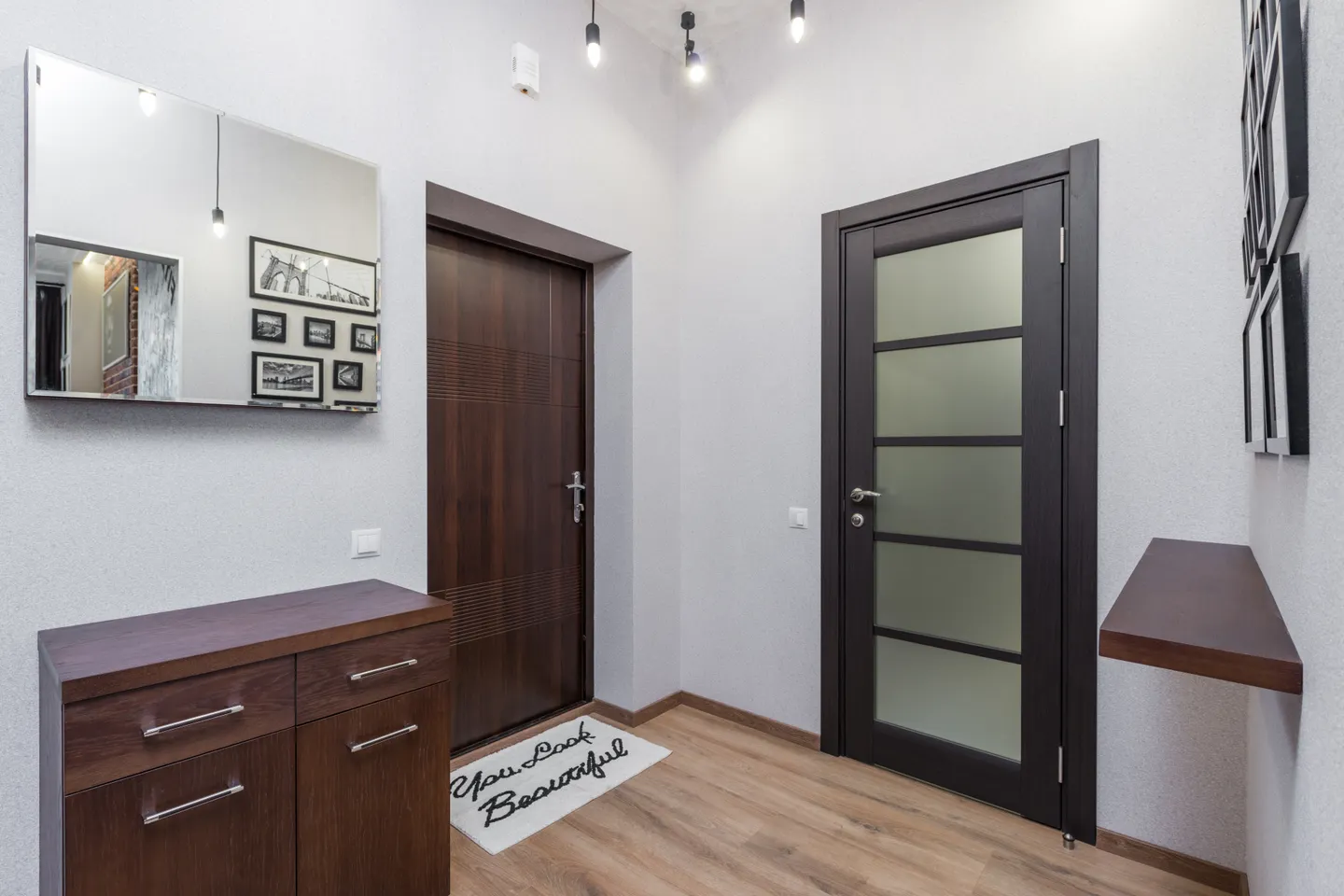
In a tiny entry, a mirror often shows you the least attractive part of the apartment twice. Face it toward an open laundry door and the view becomes a pair of laundry rooms. Move it to the other side of the corridor and a pane of daylight can make the same entry feel easier to read. The important decision is what the mirror will reflect and who will use it. Measure the space and plan the reflection before choosing a frame.
For a useful initial walk-through, put a small hand mirror in the approximate location or stand at the wall and turn to face its opposite view. Mark what you see at the center and what might appear near the sides. The full-size mirror will show different details, especially if it occupies a wider field and you move closer to it. The small trial is a practical way to rule out a view dominated by a door jamb or severe light glare.
Define the job by the place you already stand
Is the mirror for a quick check before leaving, a view of shoes and a coat, or an opportunity to borrow light from farther inside? Each suggests a different shape. A narrow vertical mirror can make it easier to see more of an outfit without filling the wall. A horizontal mirror above a narrow ledge can suit two people using it at different moments, especially if both can stand directly in front. A small circular mirror works for a face-level check where there is little wall. The amount of useful glass can be quite different from the size written on a frame label.
Mark your ordinary position with a piece of paper on the floor, without leaving anything that causes a slip. Try using the spot with the entry door partly open and with a bag held at your side. A mirror beyond the door arc might still be too close to a place where handles and bags pass the wall. Avoid putting glass where it is repeatedly struck, and check that the mirror assembly is suitable for the location. With a narrow hall, the side wall opposite the main traffic may be better protected than the wall directly ahead behind a console.
A tall adult and a shorter occupant may each stand in a different spot to see themselves. Ask both to try the planned location. If there is a user seated or someone who uses a mobility device, check sight lines and approach from that position. A wide console can stop people from getting close to the mirror, and a low fixture or cabinet can block a usable position even when the glass is large. Measure what people need to see and what they can comfortably reach.
Choose the reflection before the outline
From the planned standing position, consider which wall or doorway lies opposite. A mirror facing another room can bring its light or color into the entry. If it captures a very bright window at the moment you arrive, that reflection may be distracting, especially in a dark hall. Test during the times you generally leave. A short burst of direct light can be different from a pleasant reflected patch of sky. Move the position up, down or across a little and compare what is visible.
Stand just inside the apartment and check the angle from the open entrance. A mirror might reveal part of a bedroom or office to someone at the threshold. Consider the view with interior doors normally open. In an apartment where privacy is important, choose a narrower mirror that catches an interior wall, or turn a wall-mounted mirror toward a view kept within the home if the hardware is designed for such use. A welcoming reflection can be a plant or painted wall. It does not need a dramatic line of sight.
Repeat the test at night with the usual lights on. An exposed bulb across the corridor can be doubled and become an irritating point of glare. A light with diffusion can give a clearer, more even view of the face than one ceiling light directly over the mirror. If you normally turn on the hall light only when invited guests are arriving, judge what the mirror shows when the neighboring room is lighting it. A small change in mirror placement can use that borrowed light more effectively.
Tape out the outer dimensions and place the surrounding objects
Use paper to mock up the full frame, with its widest and tallest points. Look at it beside wall hooks, a ledge or a small cabinet. Leave firm visual breaks between nearby objects. A narrow gap between the top of a ledge and a large dark frame can make the two feel crowded. On the other hand, a high gap can leave the mirror disconnected from the place people set their hands or keys. The right distance depends on frame depth, handle reach and which users stand near it.
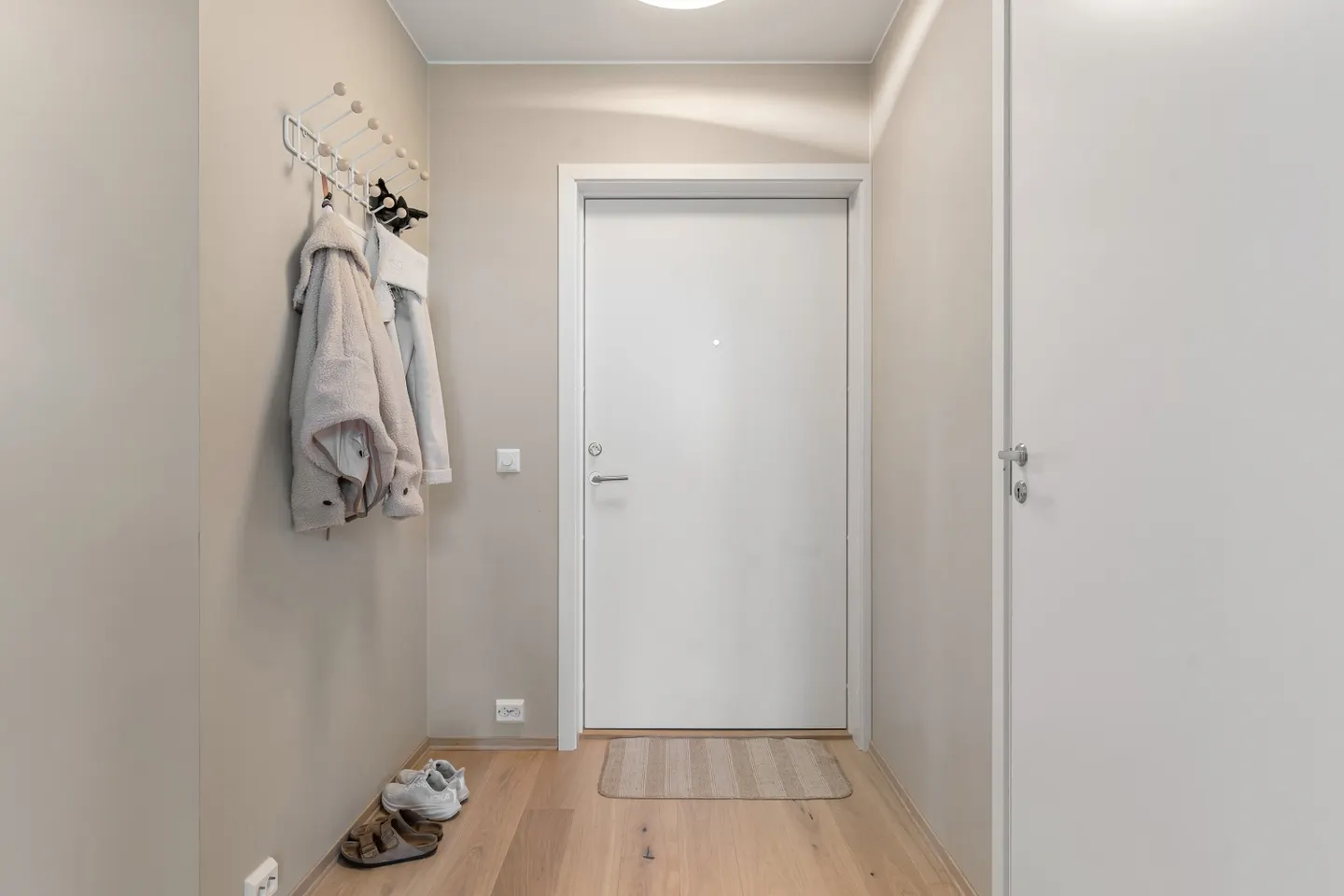
Think about hanging coats on a hook next to glass. A winter coat may bunch farther into the mirror’s side than a light jacket. A bag taken off a hook slightly above the glass can swing into it. Test hooks with the real coat and bag before making holes. A key tray on a narrow shelf needs a little room under your hands. Use a shallow console only if its feet and top leave adequate passage. Thinking about the mirror as a wall surface can help avoid buying an unnecessary piece of furniture beneath it.
For a full-height style, consider whether the frame will meet baseboards, panels or differing wall thicknesses. A mirror leaned against a wall has different stability requirements from one fixed to it. Follow the manufacturer’s installation instructions and use proper restraints. In a high-traffic entry, damage is possible if a mirror can move or a bag can catch an edge. Select an installation designed for the load, product and substrate, and seek a professional for a heavy piece or uncertain wall. A mirror can be visually light while still presenting a substantial physical load.
Pay attention to frame thickness and evening visibility
A broad frame can make a thin mirror look like a substantial piece of furniture. Sometimes that is welcome, especially when the wall itself is plain and the floor has a long uninterrupted line. In a very narrow entry, a dark frame can add a strong vertical line that competes with several painted door surrounds. Try a frame color close to one existing finish. Check its appearance from the doorway rather than directly in front. A light trim can give the mirror a defined edge without emphasizing how little wall remains around it.
Deep frames can create usable shadow and help a mirror feel distinct, but they also project into the room. Check depth at the side and bottom, particularly if a handle, curtain or frequent passing route is nearby. Round edges may be easier to live with in a tight space than sharp corners at the height of a shoulder. Whichever profile you choose, keep firm clearance at the door and position the mirror where users cannot lose their balance avoiding it. Watch the whole arrangement with two people arriving at once.
For a mirror used at night, check the lamp’s effect on the rest of the entry. A bright light may be helpful while you put on earrings, but an exposed reflection can make it harder to see the floor. If an existing lamp can be moved without a risky cord route, evaluate whether the wall beside the mirror receives even light. A narrow entry should let you use the light without leaning into traffic, and the mirror should be easy to approach at the lighting level you ordinarily use.
Compare an entry with a landing against one without
In a tiny apartment with a shallow recess after the front door, a slim mirror on one wall might work from a clear standing spot just beyond the swing. Its reflection can include the opposite painted wall and a little daylight from the living-room doorway. A small shelf under it could take keys, provided the shelf remains outside the route. If the reflected bathroom door usually stands open, a shorter panel placed slightly toward the room may capture less of that view while remaining useful for a face check.
In an entry without an alcove, the obvious wall may be opposite the open door. A mirror with full-frame protection and suitable secure attachment could fit on the short side wall, assuming the door and movement checks pass. If the main hall is too narrow to stand comfortably, use a mirror inside the next room where there is a better viewing distance. Leave only the parts that need to stay at the entrance, such as one spot for keys. The mirror can still serve the exit routine without sitting in the passage itself.
After installing, make a final check with a bag in hand, lights in their usual positions and the door open where it normally stops. See whether you can use the mirror and continue out without interrupting the next person. That fluid movement is a better reason to keep the placement than what it does to an empty photograph of the hallway.