Small Spaces
How to Furnish a Small Rental Balcony
Make a compact rental balcony comfortable with a clear doorway, weather-ready seating, lean storage and decor you can bring inside.
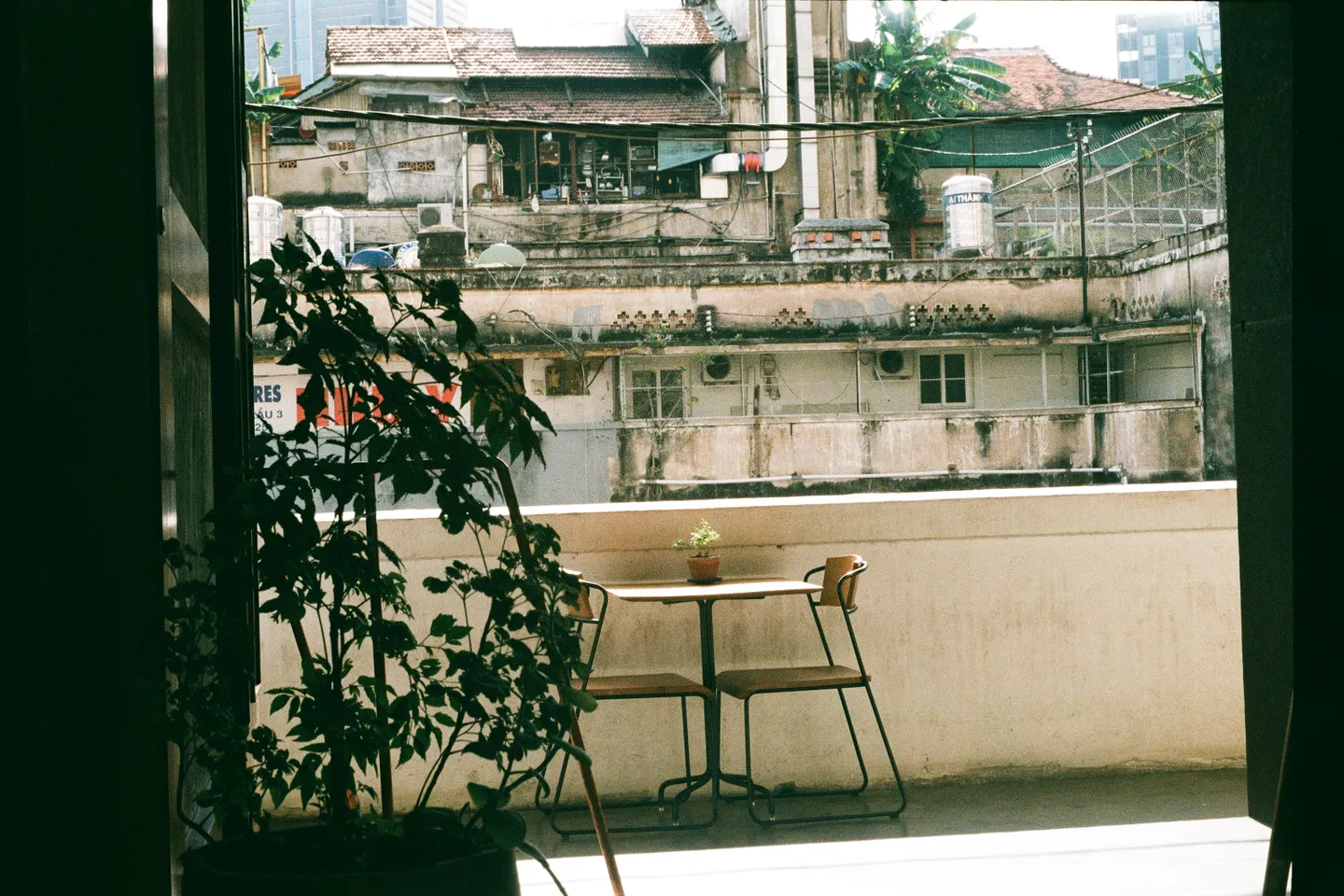
Furnish a small balcony around the one activity that draws you outside most often. For one person that may be coffee before work. For another it may be a quiet seat after dinner. Place the chair, put a cup where it can be reached easily and leave a clear route through the door. Each added piece should earn its place on the floor and have somewhere to go if the weather changes. A modest balcony can feel complete with one comfortable seat and a thoughtful view from inside the home.
Find out what the balcony needs to keep doing
Read the lease or building handbook for restrictions on furnishings, textiles, attachments, planters, lighting and open flames. The owner or building manager can clarify whether privacy screens or any visible modification requires permission. Check for access panels, drains, mechanical equipment and required clearances. A compact balcony may still contain a condenser or emergency access route, and those uses need their space. Have management address loose railings, damaged flooring or drainage trouble before you set out furniture.
Measure between the finished walls, rail and door, then record the area used by a swing or sliding handle. Include the sill and any change in floor level. A long narrow balcony may look big enough for two chairs in photographs but have no way to put them side by side and still get through. Test the route with an empty tray and reach back to the door handle from outside. Leave the position of the door and emergency access free in all furniture arrangements, including when chairs are pulled out.
Keep furniture and planters away from railings where they could make climbing easier, particularly around children. Check the wind and exposure of the actual balcony, which can behave differently from conditions at street level. Secure or bring loose things indoors as instructed by the building and furniture makers. Avoid attaching things to rails without permission and a suitable installation. Balcony furnishings also have fire considerations. The US Fire Administration's outdoor fire safety guidance advises against storing or using grills on porches or balconies.
Put the chair where the view is comfortable
For a balcony primarily used by one person, a single supportive chair can work better than two tiny chairs that are both hard to use. Sit at the proposed spot and look ahead. See whether the useful view is straight out, across to one side or inward toward the apartment. Position the chair so the view includes a piece of sky, a nearby tree or some open distance without putting your feet across the door route. The angle can change whether a neighbor's window falls directly in front of you.
A balcony exposed to strong sun may be most comfortable at a different hour. Walk out at the times you expect to use it and look for the smallest patch of shade that can accommodate the chair. If the building allows a shade product, check its mounting, wind and use limitations, and the effect on the neighboring units. Freestanding items with broad canvas can catch wind strongly. A good default for a breezy, compact balcony is a layout that can be used during its naturally shaded hours without a large shade structure.
Compare seat dimensions and materials in the same conditions. A metal chair can heat up in direct sun and cool off quickly after dark. Smooth synthetic seat surfaces are often straightforward to wipe down. Wood species and finishes require different care, especially where rain contacts their joints. Try a narrower chair that still supports your back, and check whether its front edge feels comfortable for the length of time you will sit outside. If the furniture folds, test the locking mechanism and remember that folded items can still take up floor space.
Choose a table that serves a visible purpose
Start with the largest thing you normally set down outdoors. A mug and book can fit on a very small, stable top. A breakfast plate and carafe need more. A full bistro table is pleasant for two if both people can get into their seats without moving through the same gap. Measure its base in addition to its top. Two balcony tables of the same top width may have different feet, leg clearance and folded size. Put a box of the same size on the proposed spot and approach it from the door.
A narrow rectangular table against a solid wall can use depth efficiently, provided the base stays stable and the building permits the arrangement. A round side table can be convenient beside one chair because it has no projecting corners. Think about where the table will stand when you are cleaning the balcony or bringing in groceries through an adjacent door. A table that needs both hands to move and has to stand in the only clear path adds work every time you use it.
Look for a place to keep the chair or table if you expect to bring it in. Leave enough space to carry it through the doorway and enough room indoors to park it without obstructing a path. That matters on a balcony where routinely folding furniture makes the most of the floor. If daily storage is burdensome, a smaller set rated for the actual outdoor conditions can make more sense than a larger set you expect to move regularly.
Think about the sound the furniture makes on its surface. A seat that scrapes audibly beneath a neighbor's window can make the balcony awkward to use early in the morning. If the maker approves a slip-resistant outdoor foot cap, check that it keeps the chair firm and stays in place when the base is wet. Moving a chair by lifting it may also protect the surface. Examine the downside of wheels on any cart or planter. The balcony may be pitched for drainage and a piece that rolls on a showroom floor can move when you leave it alone. Fit all movable items for the conditions specified by their makers.
Use textiles you can bring inside quickly
Choose a cushion with a removable outdoor-rated cover if you use the seat often. The construction of the cover, the insert and the way it drains or dries all affect maintenance. Read the care directions for both pieces. A fabric marked resistant to water may be made to shed brief showers, and conditions at a balcony open to wind and rain can be more demanding. Give damp textiles a proper place to dry indoors or under suitable cover as the instructions allow.
A small rug can make a seating area feel more deliberate if it lies flat, dries promptly and stays put. Ask the building manager whether the material is allowed and protects the floor finish. Leave drains clear and check underneath after weather. A big rug can hold grit or moisture against some surfaces and make inspections harder. If it shifts or its edges curl, take it out of the route. A vertical display through the window or one colorful cushion can give the space color while leaving the floor open.
Check loose accessories with the same standards. A tray, light cover or lightweight decoration might move in a gust. Keep balcony lighting inside the dwelling where that suits the use, or use approved fixtures suitable for the location and weather. Leave cords out of the doorway and keep electrical service, building equipment and drains accessible. A lamp just inside the glass can light the view of the balcony and leave less to carry in before rain.
Use one plant arrangement you can maintain
Look at the direction and duration of direct light before choosing plants. The hottest spot may be beside a reflective wall. A place that is shaded when you view the balcony in the morning can become exposed after lunch. Choose plants whose light needs fit the spot and whose planters remain stable. Factor in the weight of wet soil and water. Ask management about permissible loads and placement before bringing out large containers.
Put plants where watering and cleaning are practical and water goes where the building permits. A narrow group of pots along a safe interior wall can leave a clear route to the door. A tray beneath a suitable pot can protect an area from ordinary drips if it is emptied as needed. Keep the container away from the rail edge and follow the building's restrictions about suspending anything outdoors. It should be easy to move the plant indoors when conditions require it.
Walk through the final arrangement in weather
Consider a long rental balcony with a sliding door at one end and enough depth for only one chair. A narrow side table against the inner wall can hold a mug and book while the chair turns partly toward the view. A pot at the quieter end can give you something to see without shrinking the entrance. The most useful storage can be indoors, where a cushion has a dry shelf and the smaller accessories are close together. With those pieces, the balcony still looks inviting through the glass in winter.
Go through the plan on an ordinary evening when you have a cup in one hand. Check the seat, the door and where your feet turn. Then act out what you would do if the wind rose unexpectedly. Some days the best spot may be inside with the window view. A finished balcony layout should be easy to use in the conditions that suit it and quick to clear when those conditions change.